Support justice-driven, accurate and transparent news — make a quick donation to Truthout today!
A cancer-linked pesticide banned in more than 60 countries around the world contaminates an estimated 25% of river and stream miles in the lower 48 US states, including many waterways used for drinking water, according to a new analysis.
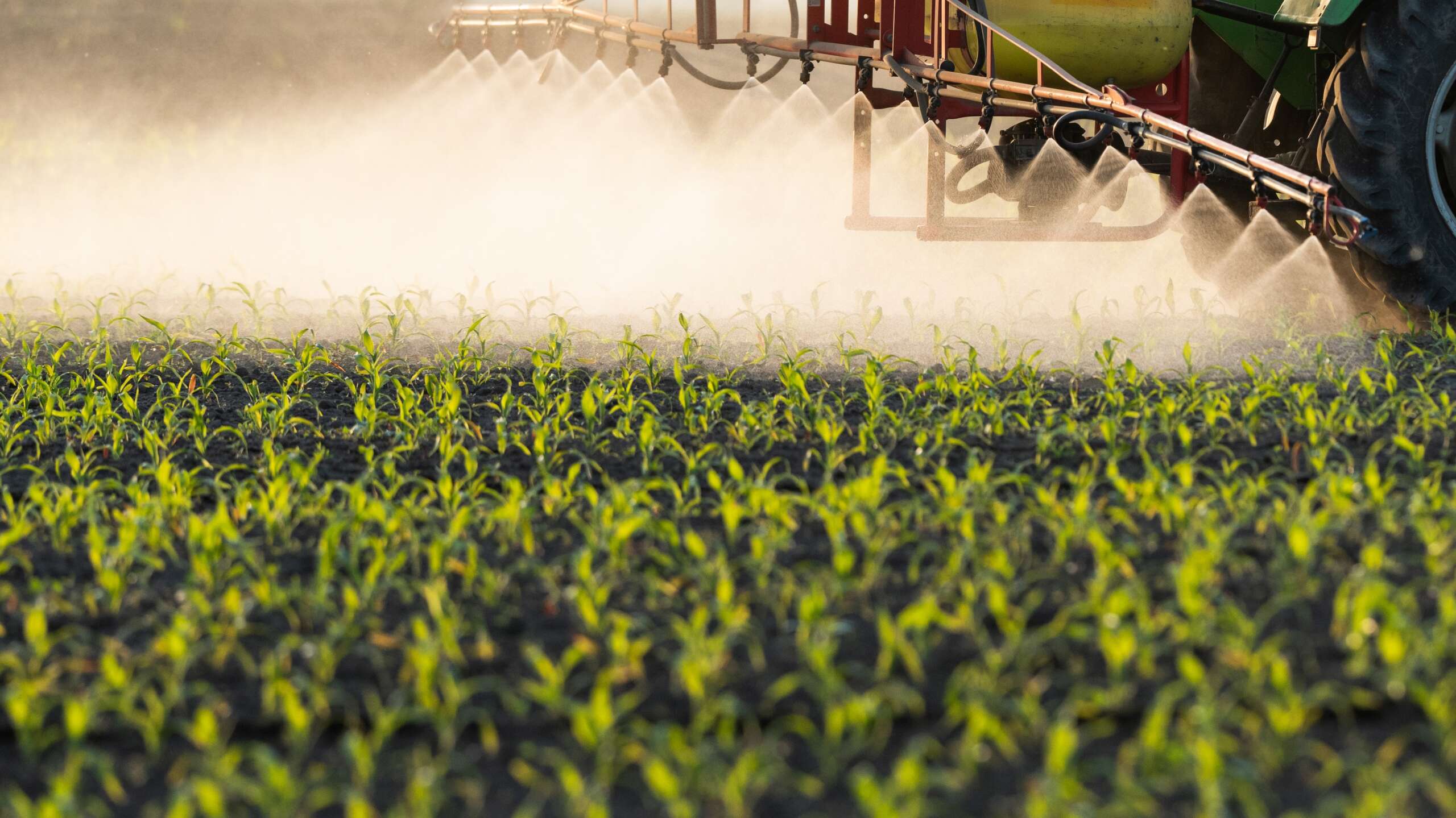
The analysis from the Center for Biological Diversity builds on evidence that atrazine — which is commonly used to grow corn, soybeans, sorghum and sugarcane and is linked to dangerous health problems for people and wildlife — remains ubiquitous in US waterways, especially in farming states.
“It’s just an astounding level of contamination from just one pesticide,” said Nathan Donley, the environmental health science director at the Center for Biological Diversity.
The findings come as the Trump administration re-evaluates atrazine’s registration and signals its support for continued use, including by dismissing research by international cancer experts on links between cancer and atrazine late last year.
Atrazine is the second most widely used herbicide in the US after glyphosate. US farmers apply roughly 70 million pounds of the pesticide to their fields every year, according to US Environmental Protection Agency (EPA) estimates. Exposure has been linked to birth defects, low birth weights, hormone disruption, some cancers and immune system problems. It is also considered an endocrine disruptor, meaning it can interfere with the human hormone system.
The Center for Biological Diversity used EPA data focused on waterways in the lower 48 states, and examined the prevalence of atrazine at levels that exceeded the EPA’s threshold for harm to river ecosystems, which is 9.7 parts per billion (ppb). The agency’s maximum contaminant level for drinking water, by comparison, is 3 ppb.
The analysis showed watersheds that were contaminated with atrazine at levels above 9.7 ppb encompassed 258,451,869 acres out of a total of 1,928,393,471 acres (13%) in the continental US.
The analysis found contamination is highly concentrated in a few “hotspots” — the Chesapeake Bay, Midwest Corn Belt, Lake Okeechobee, the Lower Mississippi River and the Texas Gulf Coast — and that roughly 22% of the country’s drinking water facilities get water from surface water in rivers that were found contaminated.
Dana Kolpin, a research hydrologist with the US Geological Survey (USGS), said that Midwest farming states have been the geographic “bullseye” for decades of atrazine pollution, and the highest levels are seen after a “spring flush.”
“Farmers use the compound in spring, it rains, and then it flushes into the streams — this is the driving force of why we find it in rivers,” he said. The new analyses confirmed this runoff pollution problem persists in the Corn Belt — Kansas, Nebraska, Iowa, Missouri, Illinois, Indiana and Ohio — where more than two thirds of those states’ river miles had elevated levels of atrazine. Kolpin said the presence of atrazine in water often signals even more pesticide pollution.
“Pesticides are kind of like cockroaches — if you find one you’ll likely find a whole bunch,” he said.
A USGS study on pesticides in US rivers published in May also found that atrazine was one of “the greatest threats to surface water availability” and that “concentrations were not shifting significantly over time.”
“We’ve known about this problem for decades,” Donley said. “The EPA has shown it is just utterly incapable of putting in place protections that make any meaningful change when it comes to atrazine water contamination in this country.”
EPA’s Ongoing Review
The EPA is conducting a registration review of atrazine, but has signaled its intent to reapprove. In December 2025 the agency brushed off a lengthy scientific review from the World Health Organization’s International Agency for Research on Cancer (IARC) that determined atrazine was “probably carcinogenic to humans.”
The IARC cited evidence in human, animal and mechanistic studies leading to its conclusions, including research linking the chemical to non-Hodgkin lymphoma in people. IARC said there was “strong” evidence in mechanistic studies showing atrazine exhibits key characteristics of carcinogens, including inflammation, oxidative stress and cell death.
An EPA spokesperson, however, dismissed the review and told The New Lede in December that the IARC has “a long history of being severely misguided in its findings,” and cited prior EPA assessments that found “the totality of the available evidence does not support an association between atrazine exposure and human cancer.”
And then in April the US Fish and Wildlife Service (FWS) issued an opinion that atrazine does not pose an extinction risk to threatened or endangered wildlife. The opinion was issued as part of the EPA’s legal requirement to consult with the FWS in its atrazine registration to ensure the pesticide would not violate the Endangered Species Act.
“The EPA is asleep at the wheel in regulating atrazine. Meanwhile, we’re swimming and drinking water that is contaminated with an incredibly toxic pesticide,” Donley said.
This article first appeared on The New Lede and is republished here under a Creative Commons Attribution-NonCommercial-NoDerivatives 4.0 International License.
25 Years of Truthout: An important fundraising appeal
This September, Truthout is celebrating 25 years of publication. For over two decades, we have been a trusted source for fiercely independent journalism thanks to readers like you.
Looking to the next 25 years, we launched a special fundraising campaign. We still need to raise $16,000.
We are asking for your support at this juncture because we face greater threats than ever before in our organizational history. Trump and his MAGA allies are determined to control the information ecosystem, and movement-based organizations are subject to dangerous censorship and scrutiny.
If you can support Truthout with a one-time or monthly donation, you will make a significant impact on our work and our legacy. Anything you can do makes a difference!